


Spatial
Spatial Computing is a cutting-edge technology that blends the physical and digital worlds, allowing users to interact with digital content in a three-dimensional space. It combines elements from augmented reality (AR), virtual reality (VR), and sensor technologies to understand and respond to the geometry and dynamics of the physical environment. This technology enables devices to perceive, analyze, and respond to human actions and physical objects in real-time, creating interactive and immersive experiences. Spatial Computing is revolutionizing various fields, including gaming, education, healthcare, and industrial design, by offering more intuitive and natural ways to interact with digital systems in our everyday environments.
Augmented Reality
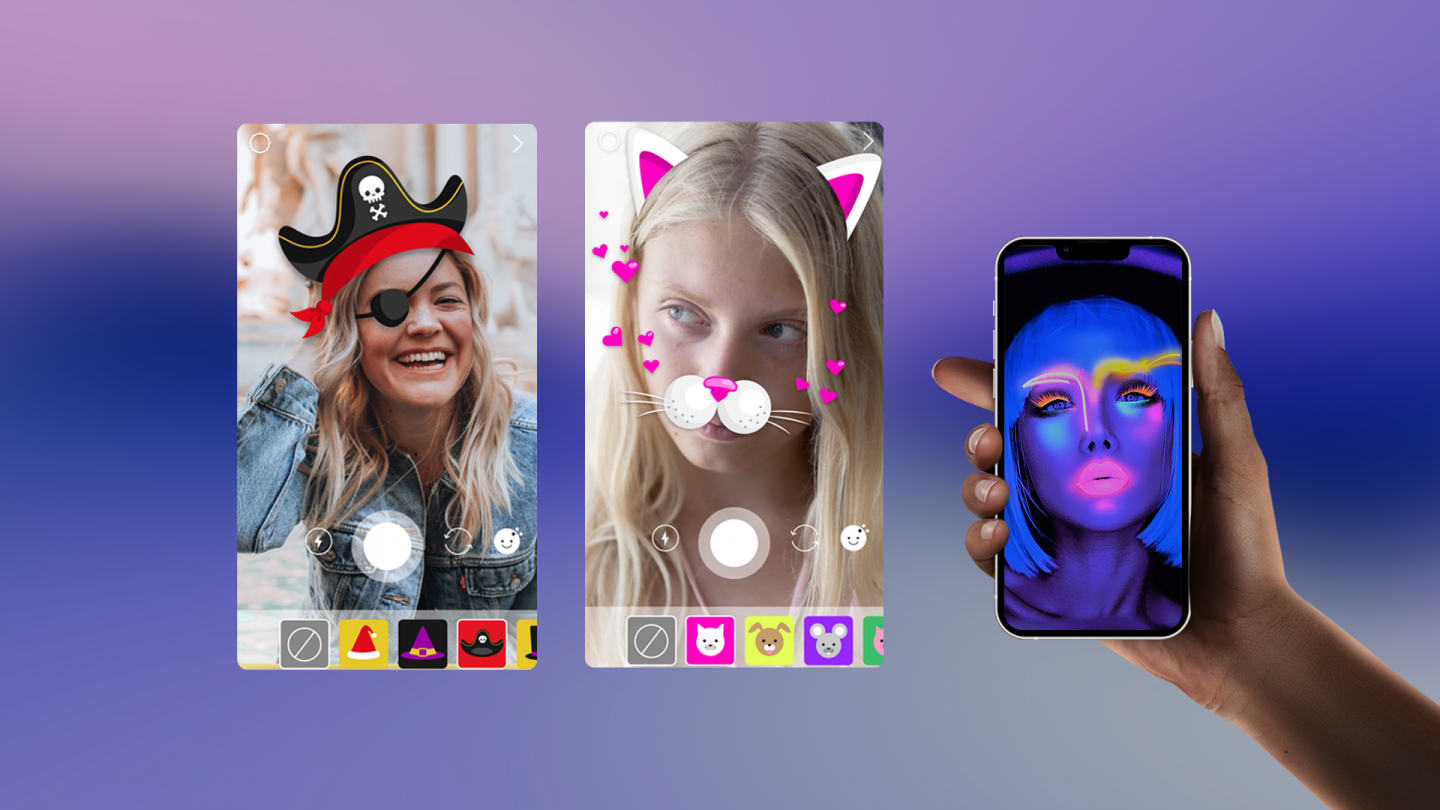
Augmented Reality (AR), also known as Spatial Computing, is a technology that integrates digital information with the physical environment in real-time. When accessed through mobile devices like smartphones and tablets, AR adds digital layers—like images, animations, or information—onto the real world, visible through the device’s camera and screen. In the case of AR headsets or smart glasses, this technology provides a more immersive experience by projecting digital content directly into the user’s line of sight, seamlessly blending virtual and real elements. AR enhances various applications, from gaming and education to navigation and design, offering interactive and contextually rich experiences in both personal and professional settings.


Digital Humans
Human Digital Twins are advanced digital replicas of individuals, created using 3D modeling, photogrammetry, and volumetric video capturing. These lifelike avatars accurately represent a person’s physical appearance and movements, enabling immersive interactions in virtual environments like the Metaverse. They are pivotal in various fields, such as virtual reality, gaming, and telepresence, offering personalized and realistic experiences in digital spaces. Human Digital Twins bridge the gap between the real and virtual worlds, enhancing online communication, entertainment, and remote collaboration.
Photogrammetry
Photogrammetry is a technique that uses photography to measure and map physical spaces accurately. By taking multiple photographs from different angles, it creates detailed 3D models or maps of objects, buildings, or landscapes. This process is widely used in various fields, including surveying, architecture, engineering, and even in the entertainment industry for creating realistic environments in video games and films. Photogrammetry provides a cost-effective and efficient way to capture and digitize real-world environments with precision.
Volumetric Video Capturing
Volumetric video capturing is an advanced technology that records objects or scenes in three dimensions, allowing for the creation of highly realistic and interactive digital experiences. This technique captures data from multiple cameras positioned around a subject, creating a fully-formed 3D image. It’s widely used in virtual reality, augmented reality, and the entertainment industry to produce lifelike representations of performers and environments. Volumetric video offers a groundbreaking approach for creating immersive content, enabling viewers to experience scenes from any angle and interact with them in a virtual space.